Pawnbroking
A pawn loan is a form of secured financing in which cash is provided in exchange for the pledging of valuable personal property as collateral. The loan amount is determined based on a technical appraisal and corresponds to a conservative percentage of the estimated value, depending on the type of asset, its marketability, and market conditions. During the term of the agreement, the asset remains in the custody of the lending institution.
A structured and regulated credit model
The agreement is governed by clear and well-defined terms—amount, term, interest, and fees—that regulate the transaction until maturity. Upon repayment of the principal and accrued charges, the customer regains full ownership of the asset. Otherwise, the institution proceeds with the sale in accordance with the procedures set forth in current legislation, without the need for further enforcement actions. Pawnbroking represents a structured lending activity, backed by an immediately enforceable security interest and based on expert appraisal and market realizability.

Benefits for the end customer
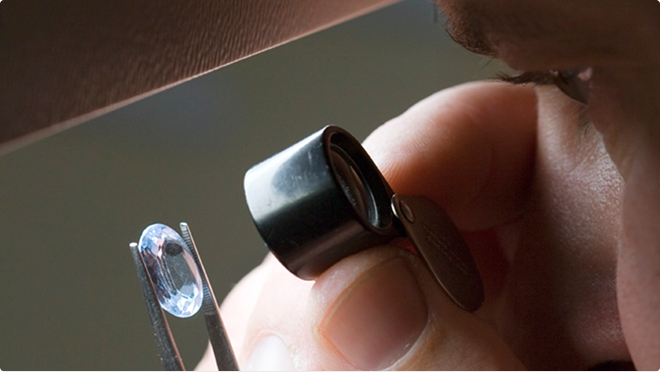
From the customer’s perspective, pawnbroking offers tangible benefits: quick access to cash, no need for additional personal or asset-based guarantees, and professional appraisals based on qualified and transparent valuations. Last but not least, the customer remains the owner of the item. It is also a tool particularly suited to those who view financing as a temporary solution: in practice, approximately 95% of customers repay the loan within the agreed terms and regain possession of their asset immediately after, confirming the flexible and sustainable nature of this financial instrument.
Sustainability and the circular economy
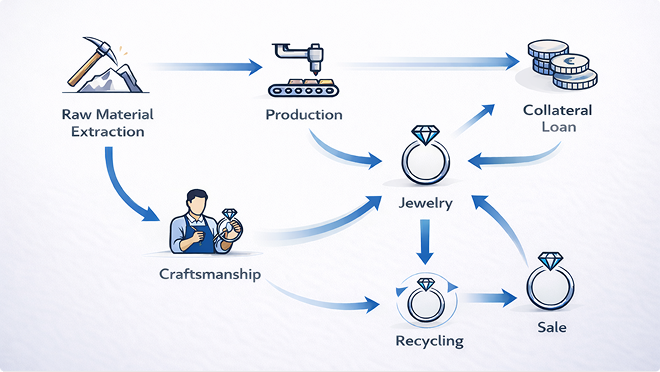
Pawnbroking is based on the principles of value preservation and sustainable resource management. The items pledged as collateral—such as jewelry, watches, and other valuables—do not leave the economic cycle but continue to retain and generate value over time. If the items are not redeemed, they are returned to the market through auction, preserving their integrity and extending their life cycle. When this is not possible, the precious materials are recovered and recycled, reducing the need for new extraction of natural resources. The pawnbroking system thus contributes to the responsible use of raw materials, promoting the reuse, recovery, and enhancement of existing assets.